
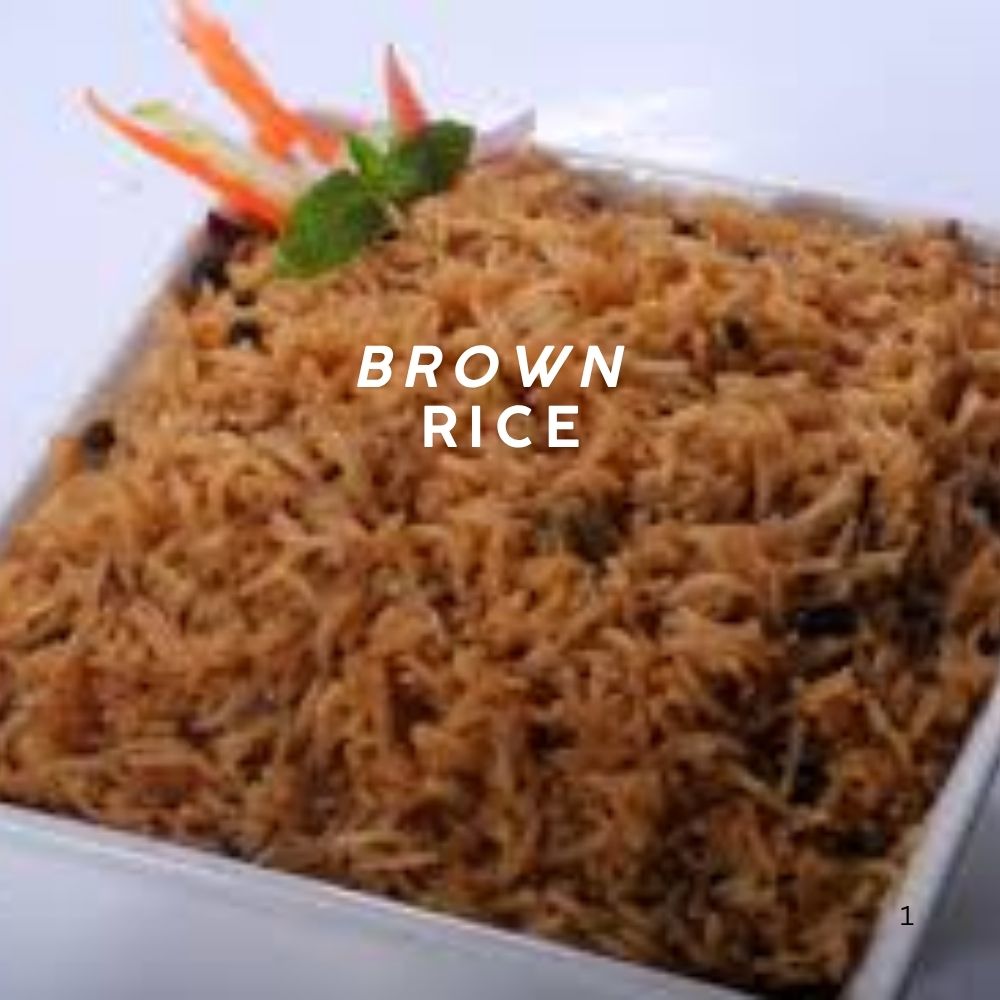
In the realm of wholesome eating, brown rice has carved a significant niche, and its adaptation into Indian cuisine is a natural fit for the health-conscious. Unlike its polished white counterpart, brown rice retains its nutrient-rich bran and germ, offering a wonderful, nutty flavour and a delightful chewy texture. While it may seem like a modern health fad, it integrates seamlessly into traditional Indian meals, providing a more substantial and fibrous base that is excellent for managing blood sugar and aiding digestion. This recipe transforms this simple whole grain into a fragrant and fluffy staple, perfect for pairing with your favourite curries and dals.
Mastering brown rice in an Indian kitchen requires a slight departure from the quick-cooking methods used for white rice, as its robust outer layer demands more moisture and time to soften. The key to perfect Indian-style brown rice lies in the technique often involving a good soak and a gentle, slow cook which ensures each grain is tender, separate, and fully infused with subtle seasoning. By incorporating a simple tempering of spices or cooking it in a broth, we can elevate its earthy notes, creating a dish that is not only profoundly nutritious but also deeply comforting and aromatic, bringing the best of both wellness and flavour to your plate.
Background and Origin:
Brown rice is not a modern invention but the original form of rice consumed for millennia before the advent of advanced milling technology. Its history is intertwined with that of rice cultivation itself, which began over 10,000 years ago in Asia. In its natural, whole-grain state, rice possesses a tough, inedible outer hull. Once this hull is removed, the result is what we know as brown rice a complete grain that retains its nutrient-rich bran layer and germ.
For centuries, this was the standard rice eaten across ancient civilizations, prized for its robustness and ability to provide sustained energy, though its cooking time and chewy texture were inherent characteristics.The prominence of brown rice diminished with the rise of industrial milling in the 19th and 20th centuries. The new technology allowed for the efficient polishing and removal of the bran and germ to create white rice, which had a longer shelf life, a milder flavour, and a softer, quicker-cooking texture that became highly desirable. For a time, this made white rice a status symbol in many parts of Asia. However, brown rice experienced a significant revival in the Western world during the health food movement of the latter 20th century. Nutritional science confirmed that the discarded bran and germ were packed with fibre, vitamins, and minerals, leading to its reclassification as a healthful “whole grain” and its return to global prominence as a cornerstone of nutritious eating.
Main Ingredients:
Here are main ingredients for making Brown Rice;
Brown Rice: 1 cup (any variety—short, medium, or long grain)·
Water: 2 cups (for a standard pressure cooker) or 2.5 cups (for a pot)·
Salt: 1 teaspoon (or to taste)· Ghee or Oil: 1 teaspoon (optional, for flavour).
Method (Stovetop Pressure Cooker – Recommended):This is the most efficient method for cooking brown rice, making it tender and saving time.
1. Wash and Soak: Thoroughly rinse 1 cup of brown rice under cold water. For best results, soak the rice in enough water to cover it for 30 minutes to 1 hour. This crucial step softens the bran and reduces cooking time.
2. Drain: After soaking, drain the water completely.
3. Cook: Combine the drained rice, 2 cups of fresh water, salt, and ghee/oil in a pressure cooker.
4. Pressure Cook: Secure the lid and cook on medium-high heat. After the first whistle, reduce the heat to low and cook for 3-4 whistles (or for about 15 minutes on low heat).
5. Natural Release: Turn off the heat and allow the pressure to release naturally for 10-15 minutes. This is essential for the rice to finish cooking and absorb any remaining water.
6. Fluff and Serve: Open the lid once the pressure is fully released. Fluff the rice gently with a fork and serve.


