
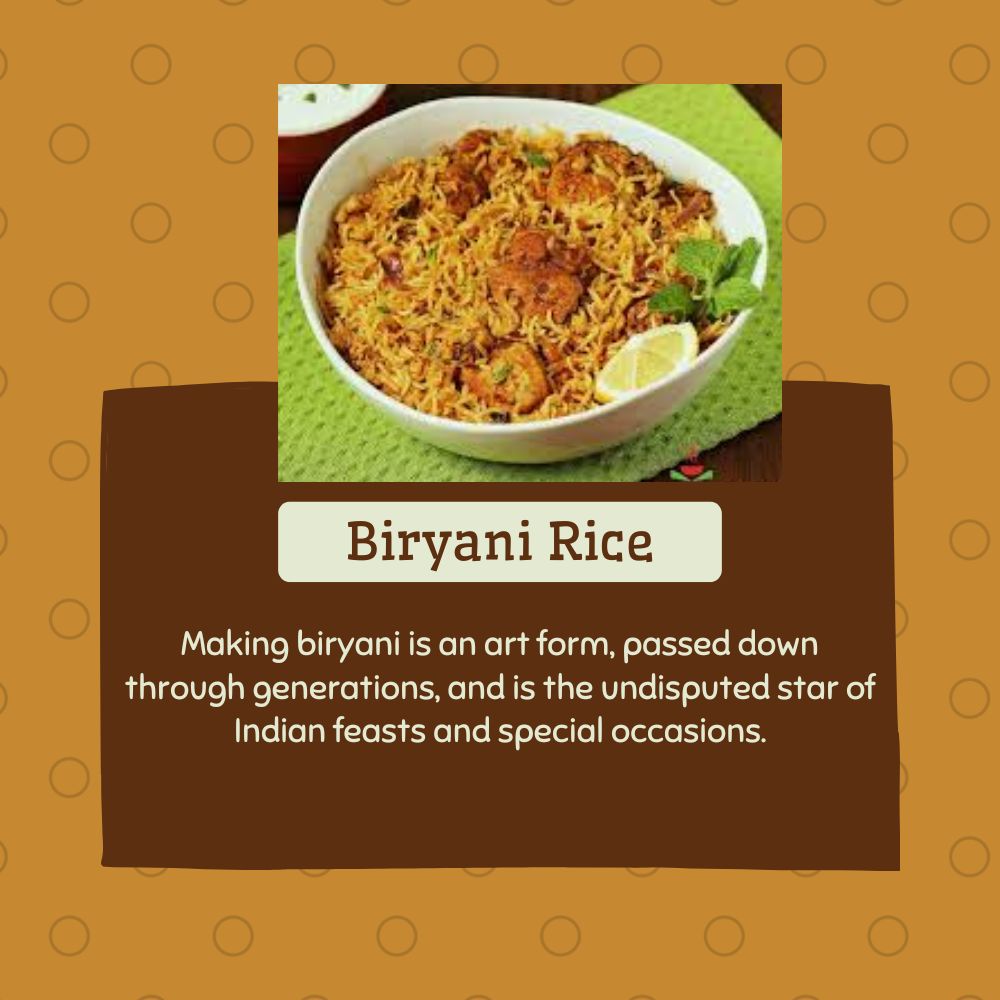
Biryani is more than just a dish in India; it is an emotion, a celebration on a plate. It is a fragrant, flavorful, and elaborate rice dish where succulent, spiced meat (or vegetables) and partially cooked rice are layered and then slow-cooked (“dum”) to perfection. The result is a symphony of textures and aromas—each grain of rice remains separate, infused with the essence of the meat, saffron, and a myriad of spices. Making biryani is an art form, passed down through generations, and is the undisputed star of Indian feasts and special occasions.
Origin and Background
The word “Biryani” is derived from the Persian word “Birian,” which means “fried before cooking,” and “Birinj,” the Persian word for rice.
- Persian Roots: The dish is believed to have originated in Persia and was brought to the Indian subcontinent by Mughal invaders and traders. The Mughals were renowned for their lavish lifestyle and sophisticated cuisine, and Biryani became a hallmark of their royal kitchens.
- Evolution in India: As it traveled across the Indian subcontinent, Biryani evolved dramatically, adapting to local ingredients and tastes. This led to the creation of numerous distinct regional varieties.
- Hyderabadi Biryani: Perhaps the most famous, from the Nizams of Hyderabad. It comes in two styles: Kacchi (raw meat marinated and layered with raw rice) and Pakki (cooked meat and cooked rice layered).
- Lucknowi (Awadhi) Biryani: Known for its subtle, delicate flavors, using the “Dum Pukht” method where the pot is sealed with dough and cooked over a very low flame.
- Kolkata Biryani: A lighter version influenced by the exiled Nawab Wajid Ali Shah, famously including potatoes and boiled eggs as a cost-effective way to feed his large entourage.
- Malabar Biryani: From Kerala, uses a small-grained, fragrant rice called kaima or jeerakasala rice and is rich with coconut oil and fried onions.
Despite the variations, the core principle of layering and slow-cooking remains the same, making Biryani a unifying dish in a diverse culinary landscape.
Biryani Recipe: Hyderabadi-Style Chicken Biryani
This is a classic “Pakki” Hyderabadi-style recipe where the chicken and rice are partially cooked before layering.
Ingredients
For the Chicken Marination & Gravy:
- 500g chicken, on the bone, cut into pieces
- 1 cup plain yogurt
- 2 tbsp ginger-garlic paste
- 2-3 green chilies, slit
- 1/4 cup fresh mint leaves
- 1/4 cup fresh coriander leaves, chopped
- 1 tsp turmeric powder
- 1 tbsp red chili powder (adjust to taste)
- 2 tbsp Biryani Masala powder (or Garam Masala)
- 2 large onions, thinly sliced and fried until golden brown (birista)
- 3 tbsp oil or ghee
- Salt to taste
- 1 lemon, juiced
For the Rice:
- 2 cups Basmati rice
- 4 cups water
- 1 bay leaf
- 4 green cardamom pods
- 4 cloves
- 1-inch cinnamon stick
- 1 star anise
- 1 tsp shahi jeera (caraway seeds) or cumin seeds
- Salt to taste
For Layering and Garnish:
- A pinch of saffron strands, soaked in 1/4 cup warm milk
- 2 tbsp warm milk or ghee
- Remaining fried onions
- A few mint and coriander leaves
Method
Step 1: Marinate the Chicken
- In a large bowl, mix the chicken with yogurt, ginger-garlic paste, green chilies, mint, coriander, turmeric, red chili powder, biryani masala, half of the fried onions, lemon juice, and salt.
- Mix well, cover, and let it marinate for at least 1-2 hours (or overnight in the refrigerator for best results).
Step 2: Cook the Chicken Gravy
- In a heavy-bottomed pot, heat oil/ghee. Add the marinated chicken.
- Cook on medium heat for 15-20 minutes until the chicken is about 80% cooked and a thick gravy forms. The gravy should not be too watery. Set aside.
Step 3: Par-boil the Rice
- Rinse the Basmati rice until the water runs clear. Soak for 30 minutes.
- In a large pot, bring 4 cups of water to a rolling boil. Add the whole spices (bay leaf, cardamom, cloves, cinnamon, star anise, shahi jeera) and salt.
- Drain the soaked rice and add it to the boiling water.
- Cook until the rice is 70% cooked (the grains should still have a firm, raw core when you break one). This is crucial.
- Drain the rice immediately and spread it on a tray to stop the cooking process.
Step 4: Layering (Taharat)
- In the same heavy-bottomed pot you used for the chicken, create a layer. Start with half of the cooked chicken gravy at the bottom.
- Over the chicken, spread half of the par-boiled rice evenly.
- Sprinkle half of the remaining fried onions, some mint, and coriander leaves.
- Drizzle half of the saffron-infused milk over the rice.
- Repeat the layers with the remaining chicken, followed by the remaining rice.
- Finish with the rest of the fried onions, herbs, and a generous drizzle of saffron milk.
Step 5: The Slow Cooking (“Dum”)
- Cover the pot with a tight-fitting lid. To seal it perfectly, you can place a roti/tawa (griddle) underneath or seal the edges with dough (loi).
- Cook on very low heat (dum) for 15-20 minutes.
- Turn off the heat and let the biryani rest, undisturbed, for another 10-15 minutes. This allows the flavors to meld and the rice to finish cooking in the steam.
Step 6: Serving
- Open the lid just before serving. The aroma will be incredible.
- Gently fluff the biryani from the side with a fork, taking care not to break the rice grains and trying to get a bit of every layer in each serving.
People Serving & Accompaniments
This recipe comfortably serves 4-5 people.
Classic Biryani Accompaniments:
- Raita: A cool, yogurt-based side dish is essential. Cucumber Raita or simple Boondi Raita are perfect to balance the spices.
- Mirchi Ka Salan: A spicy, tangy Hyderabadi chili curry is the traditional partner for Biryani.
- Salad: A simple onion and lemon salad (with a pinch of chaat masala) adds a fresh, sharp crunch.
- Hard-boiled Eggs: Often served alongside, especially with Kolkata-style Biryani.
- Papad (Poppadom): For an added crunch.
Enjoy the process and the magnificent result—a true taste of Indian royalty!


