
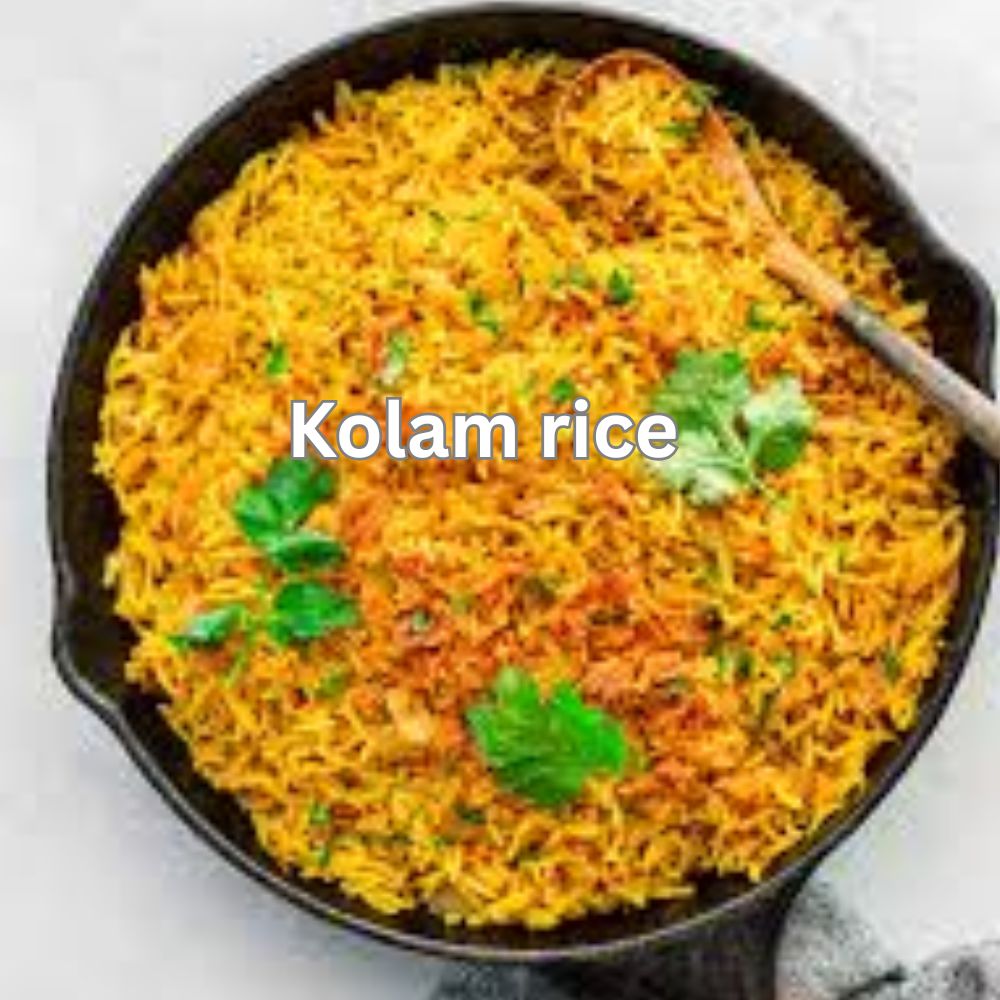
Kolam rice, a prized short-grain variety primarily cultivated in Maharashtra and Gujarat, is a beloved staple in many Indian households, celebrated for its unique texture and nutritional profile. This fragrant, non-basmati rice boasts a soft, slightly sticky consistency when cooked, making it exceptionally versatile. It is the perfect canvas for the robust and aromatic flavours of Indian cuisine, readily absorbing spices, dal, and curries without becoming mushy. Unlike its long-grain cousins, Kolam rice offers a comforting, cohesive bite that is ideal for creating satisfying meals that are both wholesome and deeply flavourful.
Preparing Kolam rice in the classic Indian style is a straightforward process that unlocks its full potential. The rice is typically washed to remove excess starch before being cooked, either by the absorption method for a fluffier result ideal for pulavs or with a slightly higher water ratio for a softer texture that pairs wonderfully with dals and sabzis.
A key step in many recipes is the tempering or tadka—sizzling whole spices like mustard seeds, cumin, and dried red chillies in oil or ghee, often with curry leaves and asafoetida, which is then mixed through the cooked rice. This technique infuses every grain with a fragrant, savory depth, transforming simple steamed rice into a star dish that is both comforting and profoundly aromatic.
Background and Origin:
The origins of Kolam rice are deeply rooted in the fertile plains and coastal regions of western India, particularly the states of Maharashtra and Gujarat. This short-grain, aromatic variety has been cultivated for generations by local farmers, becoming an intrinsic part of the region’s agricultural heritage. Its name, “Kolam,” is often linked to the traditional and intricate rangoli patterns drawn on the ground in Maharashtra, symbolizing a connection to the earth and local culture. Historically, it has been a staple in the diets of farming communities, valued for its ability to provide sustained energy and its compatibility with the bold, spicy, and sour flavors characteristic of Maharashtrian and Gujarati cuisines.
Unlike basmati, which gained international fame and geographical indication (GI) status, Kolam rice has remained a more regional treasure, celebrated for its distinct qualities rather than widespread export. It is a product of specific agro-climatic conditions, thriving in the unique soil and seasonal patterns of its native growing areas. Over time, its superior quality—marked by a delightful aroma, a soft yet non-sticky texture, and high nutritional value has led to its increased appreciation beyond its place of origin. Today, it is recognized not just as a staple grain, but as a culinary gem that carries the taste and tradition of western India, often sought after by chefs and home cooks for its versatility in dishes from everyday meals to festive feasts.
Main Ingredients:
Here are main ingredients for making kolam rice ;
Kolam Rice: 1 cup·
Water: 1.5 to 2 cups (A 1:1.5 or 1:2 rice-to-water ratio works best for Kolam. Start with 1.5 for a firmer texture and 2 for softer.)·
Salt: 1 tsp (or to taste)·
Ghee or Oil: 1 tsp (optional, but adds great flavour and prevents sticking).
Method (Stovetop Pressure Cooker Method – Most Common)This is the fastest and most efficient method, yielding perfectly cooked rice.
1. Wash the Rice: Measure 1 cup of Kolam rice and place it in a bowl. Rinse it under cold running water 2-3 times, gently swishing it with your fingers until the water runs mostly clear. This removes excess starch and prevents the rice from being gummy.
2. Soak (Optional but Recommended): Soak the washed rice in enough water to cover it for 15-20 minutes. Soaking helps the grains cook more evenly and become longer and fluffier. After soaking, drain the water completely.
3. Combine in Cooker: Transfer the drained rice to a pressure cooker. Add 1.5 to 2 cups of fresh water, salt, and ghee/oil (if using).
4. Pressure Cook:
Close the cooker lid and place it on high heat.
Once the cooker reaches full pressure (you’ll hear a steady, strong whistle or see the pressure indicator rise), reduce the heat to low.
Cook for 2 whistles (or for about 3-4 minutes on low heat after pressure is reached).
5. Natural Pressure Release: Turn off the heat and let the pressure release naturally. Do not force-open the cooker. This resting period is crucial for the rice to finish cooking and absorb any remaining moisture, making it perfectly fluffy.
6. Fluff and Serve: Once the pressure is fully released, open the lid. You will see perfectly cooked, separate grains. Gently fluff the rice with a fork to aerate it. Your Indian-style Kolam rice is ready to be served with dal, curry, or any dish of your choice.


