
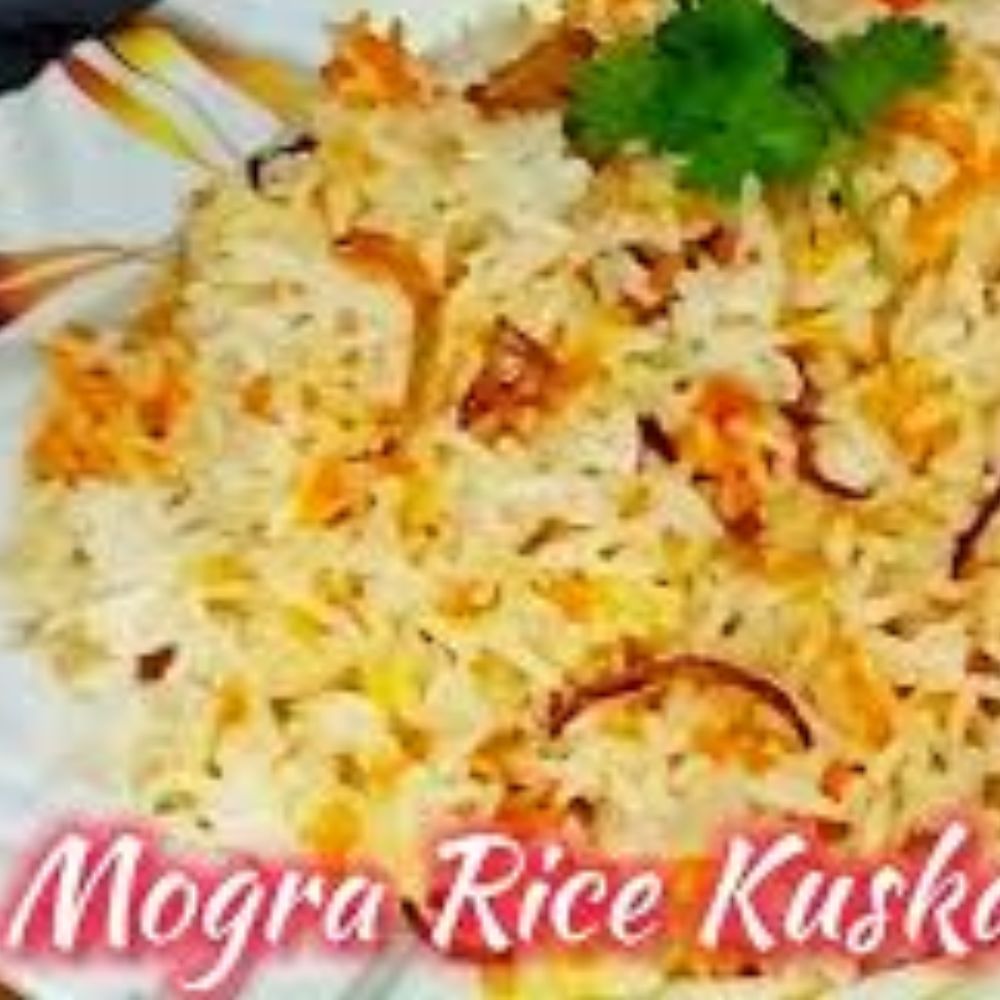
In the diverse world of Indian rice dishes, Mogra rice holds a special place as a beloved aromatic variety, cherished for its delicate floral fragrance and long, slender grains that remain beautifully separate after cooking. While “Mogra” is botanically a species of jasmine, the rice bearing its name is prized for a similar, subtle perfume that makes it a premium choice for creating exquisite and festive meals. Unlike the robust, nutty profile of brown or red rice, Mogra rice offers a light and elegant base that perfectly absorbs and complements the complex spices and rich ingredients used in Indian cooking, without overpowering them.
It is this unique combination of captivating aroma and refined texture that elevates it from a simple staple to the star of a celebratory spread.Preparing Mogra rice in the Indian style transforms this fragrant grain into an irresistible centerpiece, whether you are making a simple tempered rice or an elaborate biryani. The classic method often involves a technique called the “absorption method” or gently steaming the rice with whole spices like bay leaves, cardamom, and cloves, which infuse every grain with a warm, layered aroma. When cooked correctly, the grains become fluffy, tender, and imbued with a buttery flavour that pairs wonderfully with rich curries, creamy dals, or grilled meats. Cooking Mogra rice is an exercise in balancing fragrance and flavour, resulting in a dish that is as pleasing to the nose as it is to the palate, making any meal feel like a special occasion.
Background and Origin:
The name “Mogra Rice” is somewhat poetic, drawing a direct link to the intensely fragrant Mogra jasmine flower (Jasminum sambac) native to South Asia. However, it’s important to clarify that Mogra Rice is not a single, ancient heirloom grain like red rice, but rather a term often used in the Indian subcontinent to describe a category of exceptionally aromatic, long-grain white rice. Its origins are deeply intertwined with the selective cultivation of aromatic rice varieties on the Indian subcontinent, with its most famous and genetically close relative being the legendary Basmati rice, which has been grown for centuries in the fertile foothills of the Himalayas.
The development of these fragrant rices was a mark of agricultural sophistication, prized by royalty and for festive occasions, with their captivating scent considered a gift of the specific terroir and climate of the region.The true origin of the name “Mogra Rice” lies in its sensory profile rather than a specific botanical lineage. It is a variety that has been cultivated, likely through careful selection, to possess a pronounced floral and pandan-like aroma that vividly recalls the sweet, heady scent of the Mogra jasmine blossom. This characteristic aroma is primarily due to the presence of a natural compound called 2-Acetyl-1-pyrroline, which is also found in Basmati and Jasmine rice from Thailand. While it may not have the documented historical footprint of Basmati, Mogra rice holds its own as a premium, aromatic variety cultivated in regions like Uttar Pradesh and Punjab, developed to offer a fragrant and elegant grain that embodies the Indian love for deeply scented and flavorful food, making everyday meals a sensory delight.
Main Ingredients: Main ingredients for making this recipe is here ;
Mogra Rice: 1 cup, thoroughly rinsed until the water runs clear.
Water: 1.5 to 1.75 cups (see note below).
Ghee or Oil: 1 tablespoon (ghee is highly recommended for authentic flavour).
Whole Spices:
1-2 green cardamom pods, lightly crushed.
1 small cinnamon stick (about 1 inch)·
2-3 cloves.
1 small bay leaf·
Salt: 1 teaspoon, or to taste.
Method: This method should be follow for making this recipe;
1. Rinse and Soak: Rinse the Mogra rice under cold water 3-4 times until the water is no longer cloudy. For the best texture, soak the rinsed rice in enough water to cover it for 20-30 minutes. After soaking, drain the water completely.
2. Temper the Spices: In a heavy-bottomed pot or a pressure cooker, heat the ghee over medium heat. Add the whole spices (cardamom, cinnamon, cloves, bay leaf) and sauté for 30-40 seconds until they become fragrant.
3. Saute the Rice: Add the drained Mogra rice to the pot. Gently saute it in the ghee and spices for 2 minutes. This crucial step helps coat each grain in fat, which will prevent them from sticking together and enhances their nutty flavour.
4. Cook the Rice:
Stovetop Pot Method (Preferred for control): Add the hot water and salt. Bring it to a vigorous boil. Once boiling, immediately reduce the heat to the lowest possible setting. Cover the pot with a tight-fitting lid and let it cook for 15-20 minutes. Do not open the lid during this time.
Pressure Cooker Method (Faster): Add water and salt. Close the lid and cook for 1 whistle on high heat, then immediately turn the heat to low and cook for another 5 minutes. Let the pressure release naturally for 5-10 minutes before opening.
5. Rest and Serve: Once cooked, turn off the heat. Let the rice sit, covered, for another 5-10 minutes. Finally, open the lid and fluff the rice gently with a fork to separate the grains. Serve hot.
Important Notes:
Water Ratio: The exact water ratio can vary slightly by brand. A good starting point is 1:1.5 (rice to water) for a pressure cooker and 1:1.75 for a pot. The soaking step reduces the water needed.
Don’t Overcook: The goal is light, fluffy grains. Overcooking will make the rice mushy.
Check for Doneness: After the resting time, the grains should be tender, separate, and all the water should be absorbed.


