
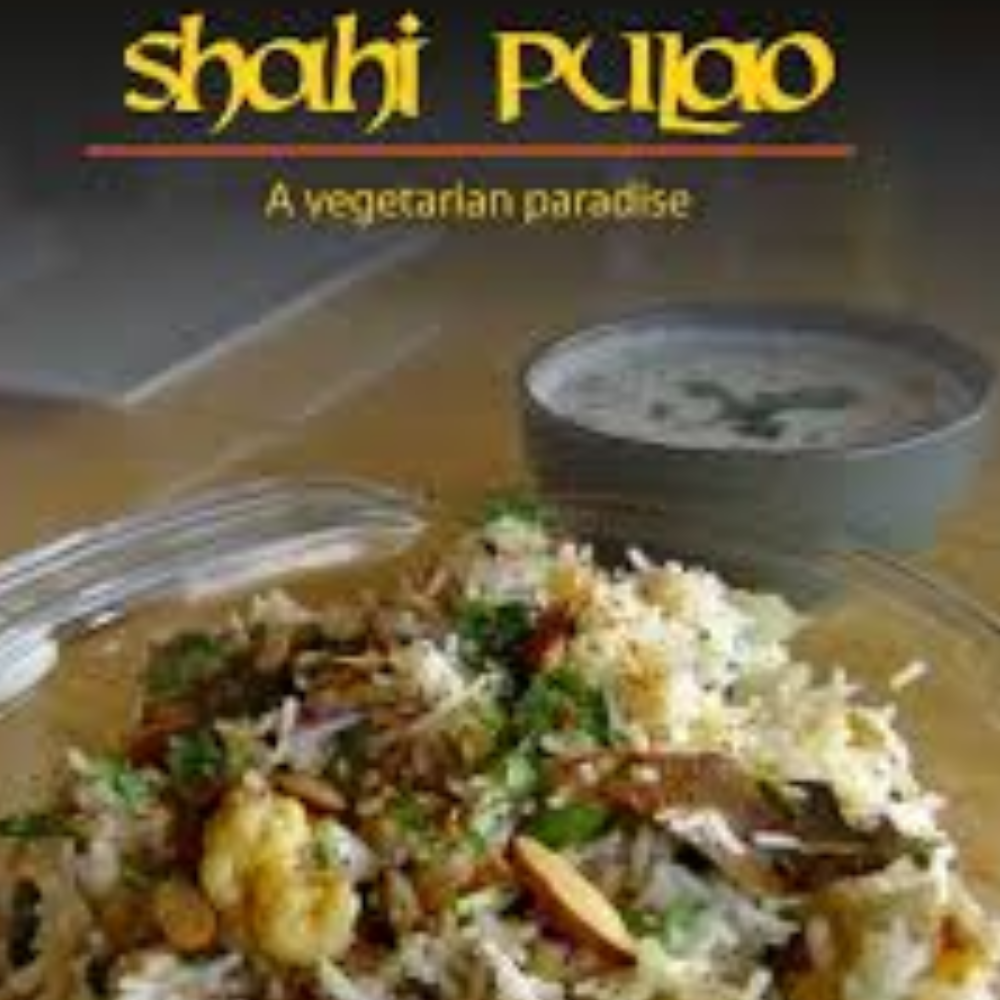
Shahi Pulao, whose name translates to “Royal Pulao,” is a regal and aromatic dish that embodies the opulence of the Mughal era. Originating from the imperial kitchens of the Mughal Empire, this dish was created to cater to the refined tastes of emperors and nobility, setting it apart from more commonplace rice preparations. Its grandeur lies not in fiery spices, but in a sophisticated blend of fragrant whole spices like cardamom, cloves, and cinnamon, and the lavish use of luxurious ingredients such as saffron, dried fruits, and nuts.
This culinary masterpiece was designed to be a feast for the senses, symbolizing wealth, celebration, and gastronomic excellence.The experience of Shahi Pulao is defined by its delicate flavor and sumptuous appearance. Each grain of long basmati rice is infused with the warmth of spices and the rich aroma of saffron, creating a beautifully golden-hued base. It is then generously adorned with plump raisins, slivered almonds, and crunchy pistachios, which provide a delightful contrast in texture and a subtle sweetness. Traditionally served at weddings, festivals, and special occasions, Shahi Pulao is more than a meal—it is a centerpiece that conveys honor and celebration, offering a timeless taste of history and royal indulgence.
Background and Origin:
The origins of Shahi Pulao are deeply embedded in the royal culinary traditions of the Mughal Empire, which ruled the Indian subcontinent from the 16th to the 19th centuries. The Mughals, with their Central Asian roots, brought with them a rich Persianate culinary culture, where elaborate rice dishes like pulao were a staple of courtly life. “Shahi,” meaning “royal,” was a prefix bestowed upon dishes created specifically for the emperors and their nobility, signifying unparalleled opulence and refinement. This pulao was developed in the imperial kitchens (bawarchis), where master chefs (khansamas) were tasked with creating meals that were not only nourishing but also a symbol of the empire’s wealth and sophisticated palate, blending Persian techniques with local Indian ingredients.
The dish is a direct testament to the Mughal love for aromatic spices and luxurious ingredients. Its distinct character comes from the use of expensive and exotic items like saffron, khoya (dried whole milk), and dry fruits such as almonds and pistachios, which were imported via trade routes and accessible only to the affluent. Unlike the spicier biryanis that evolved later, Shahi Pulao was designed to be mild, fragrant, and slightly sweet, allowing the delicate flavors of the spices and the richness of the nuts and dairy to shine. As the Mughal era waned, the recipe trickled down from the royal courts to the kitchens of the common people, where it was adapted for special occasions, ensuring its survival as a celebrated centerpiece of festive and wedding feasts across the subcontinent.
Main Ingredients:
Here are main ingredients for making this pulao;
For the Rice & Meat:
1 cup Basmati Rice: Washed and soaked for 30 minutes.
500g Meat: Lamb or chicken, cut into pieces.
4 cups Water or Broth: For cooking the rice.
For the Rich Gravy & Aromatics:
2 large Onions: 1 thinly sliced (for frying), 1 roughly chopped.
1/2 cup Yogurt: Whisked.
1 tbsp Ginger-Garlic Paste.
1/4 cup Ghee or Clarified Butter: Essential for the royal flavor.
2 tbsp Cream or 1/4 cup Milk:
A pinch of Saffron strands: Soaked in 2 tbsp warm milk.
Whole Spices (For Tempering):
2-3 Green Cardamom Pods·
4-5 Cloves· 1-inch Cinnamon Stick·
1 Bay Leaf·
1 tsp Cumin Seeds.
For the Garnish:
2 tbsp Cashew Nuts·
2 tbsp Almonds, slivered or sliced·
2 tbsp Raisins.
Method:
1. Prepare the Garnish: Heat 1 tbsp ghee in a small pan. Fry the cashews and almonds until golden, and the raisins until plump. Set aside. In the same ghee, fry the thinly sliced onion until crisp and golden brown (Birista). Set aside half for garnish and the other half for the gravy.
2. Cook the Meat & Create the Gravy:
In a heavy-bottomed pot, heat the remaining ghee. Add the whole spices (cardamom, cloves, cinnamon, bay leaf, cumin) and sauté until fragrant.
Add the roughly chopped onion and sauté until soft. Add the ginger-garlic paste and cook for a minute.
Add the meat pieces and sear on all sides until browned.
Add the whisked yogurt, a handful of the fried onions, and salt. Cook, stirring constantly, until the yogurt is well-incorporated and the oil starts to separate from the masala.
Add 1 cup of water, cover, and cook until the meat is tender. If using chicken, reduce the cooking time. Once tender, the gravy should be thick.
3. Layer the Pulao:
Drain the soaked rice. Add it to the pot with the meat and gently mix.
Pour in the remaining 3 cups of water or broth. Bring to a vigorous boil.
Reduce the heat to the lowest setting. Drizzle the saffron-infused milk and cream over the rice.
Cover the pot with a tight-fitting lid and cook for 15-20 minutes, or until the rice is fully cooked and the liquid is absorbed.
4. The Dum (Slow Steaming) & Serve: Once cooked, turn off the heat. Let the pulao rest, covered, for another 10-15 minutes. This “dum” process allows the flavors to meld and the rice to become perfectly fluffy.
Just before serving, gently fluff the rice with a fork. Transfer to a serving platter and garnish generously with the fried nuts, raisins, and reserved fried onions.


