
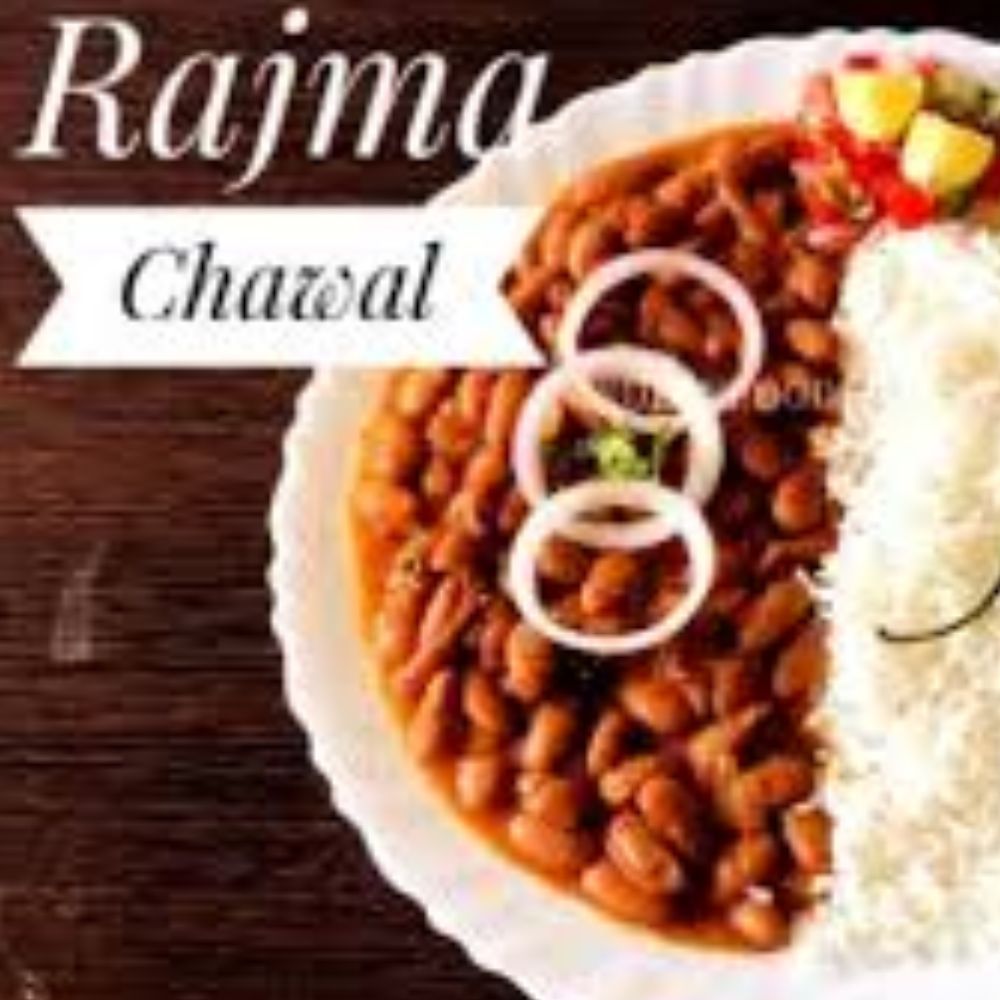
Rajma Chawal is a beloved North Indian dish consisting of red kidney beans cooked in a thick, flavorful, and spicy gravy. It is a classic example of comfort food in Indian cuisine, known for its hearty, warming, and deeply satisfying qualities. The dish is characterized by its rich, tomato-onion base, aromatic spices, and a creamy texture that comes from the softened beans.The ultimate companion to Rajma is plain, steamed rice, and the combination is so iconic that it is universally referred to as “Rajma-Chawal.” For many, this meal is the epitome of home-cooked comfort, evoking a strong sense of nostalgia.
Origin and Background
The story of Rajma is a fascinating tale of cultural exchange.
- The New World Origin: The key ingredient, the kidney bean (Phaseolus vulgaris), is not native to the Indian subcontinent. It was introduced to Asia from Mexico and Central America by Portuguese and Spanish traders sometime after the 16th century.
- Adaptation into Indian Cuisine: While the bean was new, the culinary techniques and spices were not. Indian cooks masterfully adapted this new ingredient into their existing food culture. They prepared the beans using the same masala (spice blend) base used for countless other dishes, creating what we now know as Rajma.
- Regional Home: The dish found its most passionate adoption in the North Indian state of Himachal Pradesh and the regions of Punjab and Jammu & Kashmir. In fact, Himachal Pradesh is often called the “Rajma Bowl” of India, with specific varieties of beans grown in the mountainous terrain being highly prized. From there, its popularity spread across the entire country.
Despite its foreign origin, Rajma is now so deeply ingrained in everyday Indian cooking that it is considered a quintessential Indian dish.
Proper Rajma Recipe
This recipe aims to create the perfect, restaurant-style creamy and flavorful Rajma. The key is patience—allowing the tomatoes to cook down completely and the beans to simmer slowly in the masala.
Yields: 4-6 servings
Prep time: 8-12 hours (for soaking) + 15 minutes
Cooking time: 60-70 minutes
Ingredients:
For the Rajma (Kidney Beans):
- 1 cup (200g) dried red kidney beans (rajma)
- Water for soaking and cooking
- 1/2 teaspoon salt
- 3-4 cups water for pressure cooking
For the Gravy (Masala):
- 2 tablespoons oil or ghee
- 1 large bay leaf (tej patta)
- 1 large onion, finely chopped
- 1 tablespoon ginger-garlic paste (or 4 cloves garlic & 1.5-inch ginger, finely grated)
- 2 large tomatoes, pureed (about 1.5 cups of puree)
- 1-2 green chilies, slit (adjust to taste)
Spice Powders:
- 1.5 teaspoons Kashmiri red chili powder (for color and mild heat)
- 1.5 teaspoons coriander powder
- 1/2 teaspoon turmeric powder
- 1 teaspoon cumin powder
- 1.5 teaspoons rajma masala (or garam masala as a substitute)
- Salt, to taste
For the Finish:
- 1 teaspoon kasuri methi (dried fenugreek leaves), crushed
- 2 tablespoons fresh cilantro, finely chopped
- 1 tablespoon fresh cream (optional, for richness)
Instructions:
Step 1: Soak and Cook the Beans
- Rinse the kidney beans thoroughly. Soak them in plenty of water for at least 8-12 hours (or overnight).
- Drain the soaking water. Transfer the beans to a pressure cooker. Add 3-4 cups of fresh water and ½ teaspoon of salt.
- Pressure cook for about 15-20 minutes (or 7-8 whistles on medium heat) until the beans are completely soft and mushy. They should be easily mashed between your fingers. Set aside with the water. (If you don’t have a pressure cooker, boil in a pot until tender, which can take 60-90 minutes).
Step 2: Prepare the Masala Base
- While the beans are cooking, heat oil or ghee in a large, heavy-bottomed pan or kadai.
- Add the bay leaf and let it sizzle for a few seconds.
- Add the finely chopped onions and sauté on medium heat until they turn golden brown (about 8-10 minutes).
- Add the ginger-garlic paste and slit green chilies. Sauté for another 1-2 minutes until the raw smell disappears.
Step 3: Build the Gravy
- Add the tomato puree along with all the spice powders: Kashmiri red chili powder, coriander powder, turmeric powder, and cumin powder. Add salt to taste.
- Cook this masala on medium-low heat, stirring occasionally, until the oil starts to separate from the sides of the masala. This is a critical step and can take 10-12 minutes. The masala will become thick and deep red in color.
Step 4: Combine and Simmer
- Add the cooked rajma along with its water (this starchy water thickens the gravy) to the masala. Mix well.
- Bring the curry to a boil, then reduce the heat to low. Using the back of a spoon, lightly mash a few beans against the side of the pan. This helps to naturally thicken the gravy.
- Cover and simmer for at least 20-30 minutes, allowing the flavors to meld together. The gravy will thicken further.
Step 5: Final Touches
- Add the crushed kasuri methi and fresh cilantro. Stir well.
- For an extra touch of richness, swirl in a tablespoon of fresh cream (optional).
- Taste and adjust salt and spices if needed.
Serving Suggestion:
Serve your hot, steaming Rajma immediately with plain basmati rice (Rajma-Chawal). It is traditionally accompanied by a side of sliced onions, lemon wedges, and a simple cucumber salad or achaar (pickle). It also pairs wonderfully with roti or naan.
Enjoy your taste of North Indian comfort!


